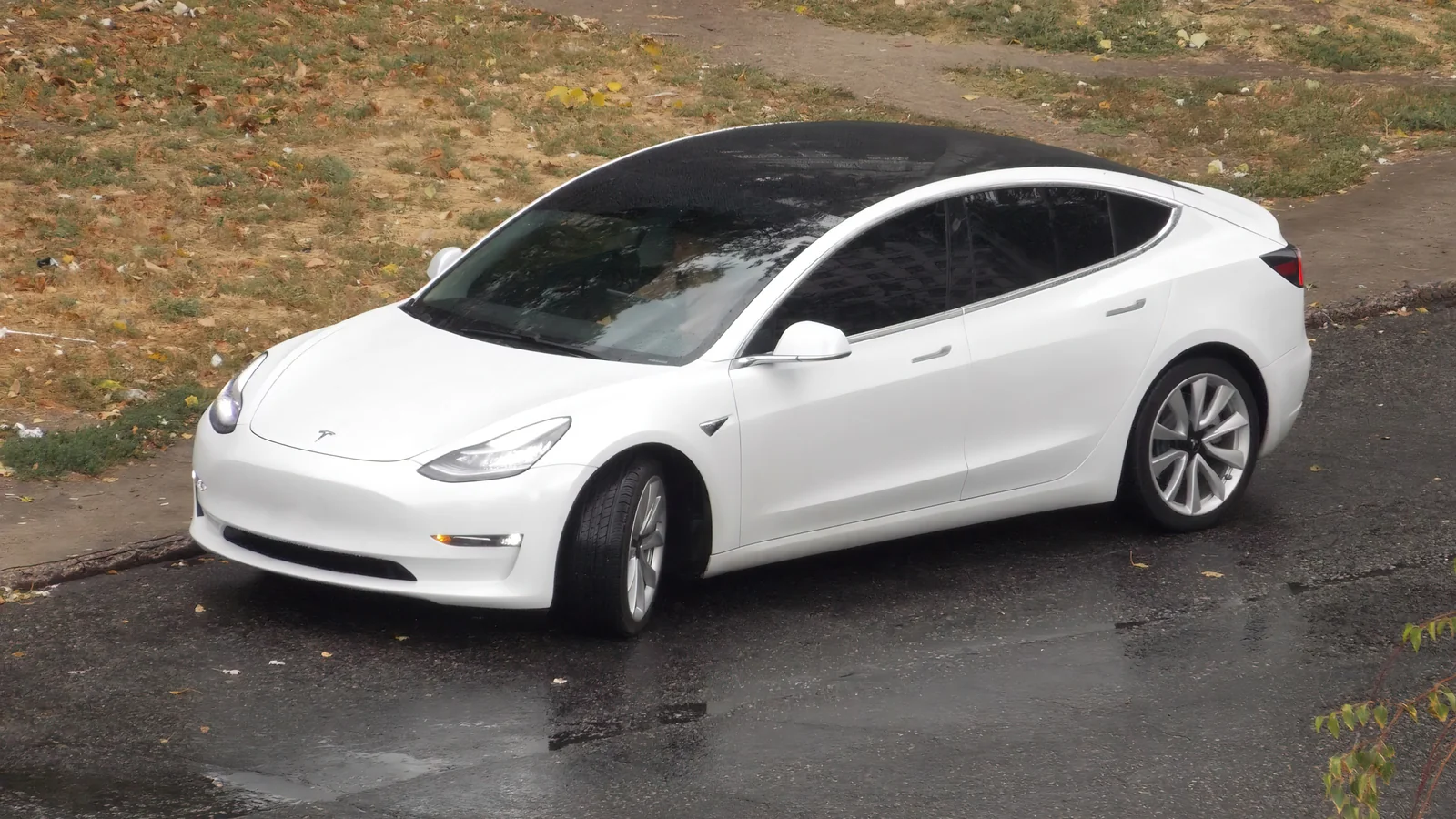
Tesla is preparing its largest recall in China, covering 2,975,910 vehicles over concerns about how occupants identify and use emergency mechanical door releases when electrical systems are unavailable. The action is scheduled to begin on September 25, 2026, and includes China made Model 3 and Model Y vehicles, plus imported Model 3, Model S and Model X vehicles.
The Tesla action is the biggest part of a wider recall. Tesla and eight other automakers are recalling 4,275,743 vehicles in China, approximately 4.3 million in total. Reuters reported that the group includes Xiaomi, Leapmotor, Xpeng, Geely and other manufacturers. Xiaomi accounts for 390,435 vehicles, Leapmotor 371,200 and Xpeng 264,842.
This is a China recall, not a global recall. It remained unclear whether Tesla would take comparable action in the United States or Europe. The focus is an obvious mechanical backup after a loss of low voltage power, not a claim that every electronic handle will fail.
Tesla recalls nearly 3 million vehicles in China
The remedy does not mean every affected vehicle requires extensive mechanical work at a service centre. Tesla plans to add warning labels and clearer identification for emergency mechanical releases. A software update is also part of the response. It is intended to make the windows lower automatically after certain severe collisions, which may provide another route for access when normal door operation is compromised.
Because some measures can be delivered through software, the recall does not mean every vehicle needs a major physical repair. Owners should follow the notice for their exact vehicle and complete any specified labelling or inspection step.
Why emergency door handles are under scrutiny
After a serious crash or loss of low voltage power, occupants may need a mechanical emergency release. On affected vehicles, the interior release or its cover can be close in colour to the surrounding trim, making it difficult to find and understand quickly. Rescue workers may also struggle to gain access when an exterior electronic system no longer responds. A functioning mechanism is not enough if it is poorly marked or almost hidden; exterior mechanical access matters as well.
China will phase out fully concealed handles from 2027
China has announced new mandatory door handle safety requirements, but it is inaccurate to say the country has already banned every hidden or electronic door handle. New vehicle models must comply from January 1, 2027. Previously approved models that remain in production have until January 1, 2029.
The rules emphasise mechanical opening capability on both the exterior and interior of the vehicle. Interior emergency releases must be clearly visible, and doors must remain capable of mechanical operation during emergencies. Electronic assistance may continue, provided the vehicle also has a compliant mechanical means of opening.
China is therefore set to become the first country to phase out fully concealed handle designs through mandatory rules. The aim is reliable emergency access, not the elimination of every powered convenience feature.
Xiaomi accidents intensified the debate over EV door safety
On March 29, 2025, a Xiaomi SU7 crashed into roadside infrastructure in Anhui and caught fire. Three occupants died. Before the crash, the vehicle had used Navigate on Autopilot, after which the driver took control. No final report had established the full cause. Reporting does not show that hidden handles caused the deaths.
A different crash apparently involving a Xiaomi SU7 Ultra occurred in Chengdu in October 2025. Reuters, citing Chinese media, reported that a 31 year old driver died and bystanders could not open the door. Early reports mentioned suspected drink driving. Police did not name Xiaomi and the company did not confirm the model. The incident intensified debate but does not prove that the handle caused the death.
Safety concerns also weighed on Xiaomi shares
According to Reuters, Xiaomi shares fell approximately 11.7 percent that week, one of their weakest weekly performances in more than three years. The report linked the decline to investor concern following two reported SU7 accidents, in Chengdu and Wuhan. The accidents and safety debate were among the factors weighing on the shares; the movement cannot be attributed to one component with certainty.
What the recall means for the EV industry
Manufacturers may need to redesign exterior handles, improve interior labelling and make emergency releases easier to identify. At the same time, software driven vehicles allow part of a safety remedy to be delivered remotely. Tesla's planned window lowering update demonstrates how software can supplement, although not replace, a clear mechanical opening system.
China's rules may influence global vehicle platforms, while other regulators can study the approach as they consider their own standards for emergency access.
What overseas EV buyers should know
Importers and overseas buyers should include door access in their vehicle checks. A useful review asks where the interior and exterior mechanical releases are located, whether they are labelled, whether every seating row has an understandable escape route and whether the owner's manual explains operation after power loss. Buyers should also verify whether recall work or software updates have been completed for the exact vehicle identification number.
These checks sit alongside battery condition, charging compatibility, crash history and destination compliance. They do not make all concealed handles unsafe, but they do make emergency access a practical procurement question. Buyers can review current vehicles in the Used Cars Catalog and request available records through the contact page.
Sources
- Reuters, August 21, 2026: Tesla and others begin record vehicle recall in China
- Reuters, August 21, 2026: What we know about the door handles that triggered China’s record auto recall
- Reuters, February 3, 2026: China to ban hidden car door handles to address safety fears
- Reuters, October 17, 2025: Xiaomi shares post worst week in 3-1/2 years as accidents stoke EV safety concerns
- China State Administration for Market Regulation: Tesla recall notice, August 21, 2026
- China Ministry of Industry and Information Technology: GB 48001-2026 door handle requirements
Related Reuters reporting from April and July 2025 was also reviewed for the Anhui accident and China’s assisted driving safety debate.